
Thinking about shipping your dog by plane? It’s important to consider all the costs involved in this process. From travel crates to veterinary visits, airline tickets to ground transportation, the expenses can add up quickly.
In this article, we’ll break down the essential costs pet owners need to know about when it comes to transporting their furry friends. We’ll also discuss the additional costs of international transport, the benefits of professional pet relocator services, and provide tips on ensuring a safe and comfortable journey for your beloved canine companion.
Cost of Shipping a Dog by Plane: What Pet Owners Should Know
Pet owners considering the cost of shipping a dog by plane need to be aware of various factors that influence the overall expenses involved in this process.
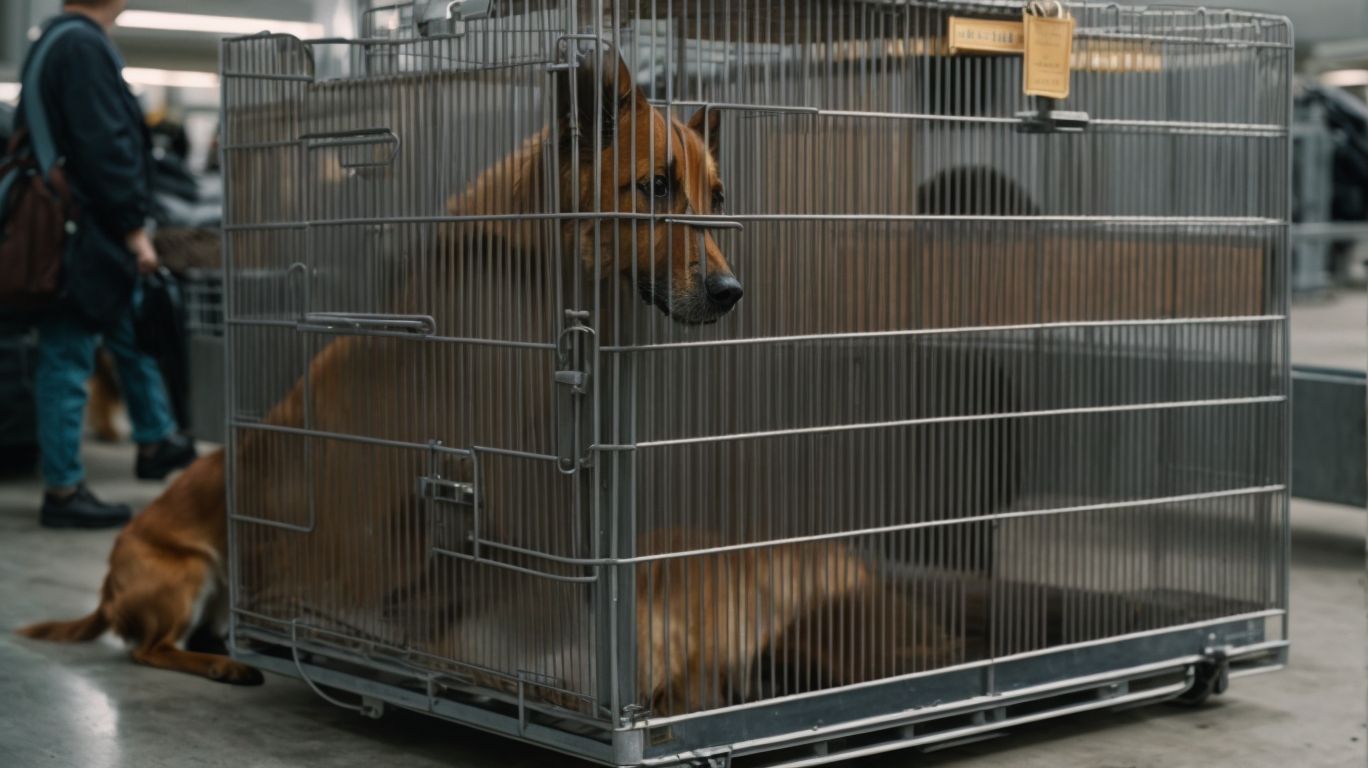
One of the significant contributors to the cost of shipping a dog by plane is the quality and size of the travel crates required. Airlines have strict regulations regarding pet transportation containers, and owners may need to invest in a sturdy and appropriately-sized crate to ensure their pet’s safety and comfort during the journey.
Along with the crate, the price of the airline tickets for the pet’s travel also plays a crucial role in determining the overall shipping cost. Prices can vary depending on the airline, the pet’s size, and the destination, so owners should research and compare different options to find the most cost-effective solution.
Overview of Dog Transport Service Costs
Understanding the overview of dog transport service costs is crucial for pet owners planning to transport their dogs domestically or internationally.
When estimating dog transport costs, one of the primary considerations is the transportation mode chosen. Air transportation is typically the fastest but can also be the most expensive, especially for long distances. On the other hand, road transport might be a more cost-effective option for shorter distances. The overall distance plays a significant role in cost calculation, as longer journeys usually result in higher expenses due to fuel and time factors. Some companies offer extra services such as door-to-door delivery, overnight stays, or specialized crates which can add to the total cost.
Essential Costs to Consider

When shipping a dog by plane, pet owners must consider essential costs such as veterinary visits, travel crates, and airline tickets to ensure a smooth and safe transport experience.
One crucial aspect to prioritize before shipping a dog is veterinary visits . These visits not only ensure that your furry companion is healthy and fit for travel but also provide the necessary health certifications required by airlines. A comprehensive check-up by a veterinarian can help detect any underlying health issues that might pose risks during the journey.
Choosing the right travel crate for your dog is another vital step. The crate should be of appropriate size, well-ventilated, and equipped with absorbent bedding to keep your pet comfortable and secure. Properly acclimating your dog to the crate before the trip can help reduce stress and anxiety during travel.
Booking airline tickets well in advance is crucial for smoother travel arrangements. Ensuring that all necessary paperwork, including vaccination records and travel documents, are in order can prevent last-minute hassles. Selecting airlines that prioritize pet safety and offer pet-friendly amenities can further enhance the travel experience for both you and your beloved pet.
Travel Crate
Investing in a sturdy and airline-approved travel crate is essential for ensuring the safety and comfort of dogs during transportation.
Veterinary Visits
Prior veterinary visits are necessary to obtain health certificates and ensure that dogs meet all the health requirements for safe travel by air.
Airline Ticket and Fees
Securing an airline ticket and understanding the associated fees are critical steps in planning the air travel logistics for shipping a dog.
Additional Dog Transport Service Costs
Along with air travel expenses, pet owners should also consider additional costs related to ground transportation options and pet taxi services for seamless travel transitions.

Ground transportation for dogs can include fees for specialized crates and comfort items , such as blankets and toys, to ensure a safe and stress-free journey.
Pet taxi services may charge extra for round-trip pick-ups and drop-offs at designated locations or for extended waiting periods during transit.
Pet owners opting for door-to-door pet transport arrangements where the pet is directly delivered to their home, should anticipate higher costs due to the personalized service and convenience provided.
Ground Transportation
Ground transportation costs play a significant role in the overall expenses of shipping a dog, especially for local transfers or last-mile logistics.
Pet Taxis
Pet taxis offer a convenient and specialized transport service for dogs, catering to pet owners seeking door-to-door transportation solutions.
International Dog Transport Service Costs
International dog transport service costs encompass a range of expenses, from government approvals and permits to travel-related expenses for pet relocation across borders.
When transporting a dog internationally, pet owners often encounter a labyrinth of regulations and requirements that must be meticulously navigated. For instance, different countries have varying rules regarding the importation of animals, necessitating meticulous documentation and adherence to health standards. These regulations play a crucial role in determining the overall cost of the shipment, as non-compliance could result in hefty fines or even refusal of entry for the pet.
The process of obtaining import permits can be both time-consuming and costly, adding another layer of complexity to the logistical puzzle of international pet transport.
Government Approvals and Permits

Obtaining government approvals, import permits, and customs clearance are essential steps in navigating the regulatory requirements for international dog transport.
Customs and Quarantine
Navigating customs clearance and quarantine protocols is crucial when transporting dogs across international borders, ensuring compliance with destination country regulations.
Professional Pet Relocators vs. DIY
Pet owners face the decision between hiring professional pet relocators like PetRelocation or opting for a do-it-yourself approach when shipping their dogs.
While DIY methods may seem cost-effective at first glance, professional pet relocation services offer numerous advantages that may outweigh the initial perceived savings. Specialized pet transport companies like PetRelocation have the expertise and experience to handle all aspects of the pet shipping process efficiently and safely, ensuring a stress-free experience for both pets and owners.
These professional services provide convenience by taking care of all the logistical aspects, such as paperwork, flight arrangements, and ensuring compliance with regulations, leaving pet owners free to focus on other aspects of their move. This level of support can significantly ease the burden on pet owners, especially when dealing with complex international moves that involve strict pet import requirements.
Discuss Safe Pet Move Options
When considering safe pet move options, pet owners can explore services like air nannies and secure travel crates such as the PetMate Sky Kennel to ensure the well-being of their dogs during travel.
Transportation Options for Shipping Dogs
Understanding the diverse transportation options for shipping dogs involves reviewing airline policies, pet transport regulations, and preferred methods of pet relocation.
Regarding air travel regulations, most airlines have specific guidelines for pet transportation, including requirements for travel crates, health documentation, and booking procedures. Some airlines have restrictions on certain dog breeds or sizes, so it’s essential to check with the airline in advance.
Ground transport alternatives, such as pet transport services or specialized pet relocation companies, offer a more personalized approach for shipping dogs over long distances. These services often provide door-to-door transportation, ensuring a stress-free journey for your furry companion.
Many airlines now have pet-friendly policies, allowing dogs to travel in-cabin or as cargo, depending on their size and breed.
Boarding and Comfort Stop Fees
Boarding and comfort stop fees, such as those offered by Amtrak, are additional considerations for pet owners arranging long-distance or multi-leg dog transport journeys.
When planning pet travel, these fees are crucial factors to budget for, ensuring the well-being and safety of your furry companion throughout the journey. Pet boarding services provide a temporary home for your dog, catering to their needs, offering playtime, meals, and sometimes even grooming services.
Comfort stops, on the other hand, allow your dog to stretch their legs, relieve themselves, and get some fresh air during transit.
Amtrak, known for its pet-friendly policies, allows small cats and dogs up to 20 lbs to travel on certain routes for a nominal fee. This gives pet owners the option to have their four-legged friends accompany them on train trips, providing both convenience and peace of mind.
Boarding at Pet Transportation Service
Opting for boarding services at a pet transportation facility can provide dogs with a comfortable and secure environment during transit, albeit with additional fees to consider.
Veterinary Visits and Health Certificates
Scheduling veterinary visits and obtaining health certificates from regulatory bodies like the MPI are fundamental steps in preparing dogs for travel and meeting health requirements.
When arranging veterinary appointments, it’s essential to consider the specific health check requirements for traveling with your furry friend.
- Before the visit, ensure all necessary documents are in order, including past vaccination records and any health history that could affect the check-up.
- During the examination, the vet will thoroughly assess your dog’s overall health, administer any required vaccinations, and discuss any specific travel advice.
- Once the examination is completed, the vet will issue the necessary health certificates as proof of compliance with travel regulations.
Government Fees and Requirements
Navigating government fees and requirements, such as approvals from agencies like the AVA and utilizing services like CitizenShipper, are key aspects of complying with pet transport regulations.
When transporting pets across various territories, understanding and following government regulations are crucial. By abiding by these rules, individuals ensure the safety and well-being of their beloved animals throughout the journey. Each country or region may have specific requirements, including mandatory vaccinations or health certifications, to prevent the spread of diseases. Failure to adhere to these guidelines can result in delays, fines, or even refusal of entry for the pets. Therefore, proper research and compliance with government regulations not only guarantee a smooth transport process but also contribute to responsible pet ownership.
Frequently Asked Questions
What is the average cost of shipping a dog by plane?
The average cost of shipping a dog by plane can range from $200 to $1,000, depending on the size, weight, and destination of the dog.
What factors contribute to the cost of shipping a dog by plane?
The cost of shipping a dog by plane is determined by factors such as the size and weight of the dog, the airline and route, and any additional services requested, such as pet handling and insurance.
Are there any additional fees when shipping a dog by plane?
Yes, there may be additional fees when shipping a dog by plane, such as a health certificate from a veterinarian, crate rental, and customs fees for international shipments.
Can I bring my dog in the cabin with me during a flight?
Most airlines do not allow pets to travel in the cabin with their owners, unless they are registered service or emotional support animals. However, small dogs may be able to travel in a carrier under the seat in front of you.
Is it safe to ship a dog by plane?
Yes, it is generally safe to ship a dog by plane, as long as all necessary precautions and regulations are followed. It is important to choose a reputable airline and properly prepare your dog for the trip.
What can I do to reduce the cost of shipping my dog by plane?
To reduce the cost of shipping a dog by plane, consider booking well in advance, choosing a direct flight, and researching different airlines for their pet shipping policies and fees. You can also opt for a DIY approach and handle the shipping process yourself.

Guiding SEO strategies for nationwide pet transportation services. With a wealth of experience in marketing, committed to showcasing safe and reliable pet transport options across the USA.